Stress Urinary Incontinence Fact Sheets
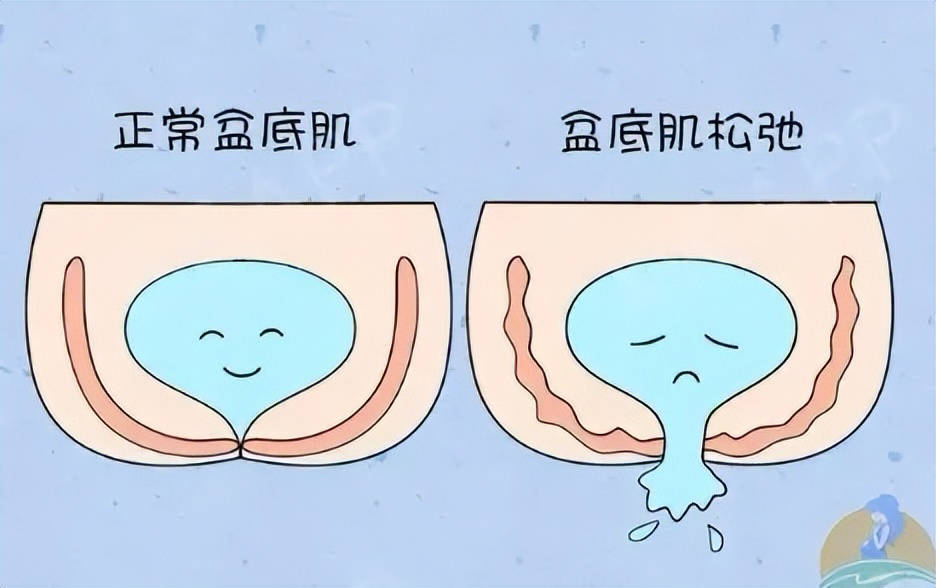
Responding To The Question, "why Do I Pee When I Sneeze?" It is far much less common in guys, however can happen after prostate surgical treatment. Anxiety urinary incontinence takes place when the internal stress on the bladder is higher than the pressure developed by the pelvic flooring to prevent nullifying follow this link before desired. This can occur with sneezing, coughing, running, or various other exercise that calls for abdominal supporting like weight-lifting. Occurrence of SUI enhances with maternity and postpartum as a result of the damages the pelvic flooring might receive during these phases of life. A great intervention and non-invasive therapy alternative is pelvic-floor physical treatment. Engaging your pelvic flooring right prior to you cough or sneeze aids close your urethra (the outlet for urine) so you stay clear of leaks. Urologists and urogynecologists commonly deal with stress urinary system incontinence. Your primary care provider or OB-GYN can also assess your signs and symptoms and refer you to a specialist if needed. Pelvic floor therapists are also commonly a key component of first-line therapy.
Our Research And Education And Learning In Women Urinary System Incontinence
These workouts function to reinforce the muscular tissues that sustain the bladder, rectum, and urethra, ultimately bring Trospium (Sanctura) about improved bladder control. Several men experience concerns with pelvic flooring muscle mass as they age, but with consistent exercise, these muscles can end up being stronger and much more durable. Your pelvic flooring is what normally supports the sphincter feature in your bladder.- Stress and anxiety incontinence is when you suddenly leakage pee due to a boost of stress on your bladder.
- This generally happens since the urethral sphincter (a group of muscles that surrounds your urethra and maintains urine in your bladder) does not close effectively.
- The consistent anxiety of leakage in public can trigger males to limit their everyday activities, avoid social scenarios and avoid connections.
- The details on this site should not be utilized as a replacement for professional medical care or advice.
Learn More
It's the most common explanation for urine leakage during coughing, sneezing, or physical activity. Stress urinary incontinence is when we leakage pee under high stress problems such as chuckling, coughing, sneezing, or performing exercise that calls for supporting our abdomen. Workouts to enhance your pelvic flooring, such as the Kegel exercises explained above, can reinforce hip, core, and pelvic flooring muscles to assist hold urine inside the bladder, protecting against leakage. Your PT may advise incorporating reinforcing workouts with a device called a pelvic instructor. Placed into your vaginal area, pelvic instructors have sensors that offer live biofeedback to check your pelvic flooring contractions.Anxiety Urinary Incontinence-- Why It Takes Place And Just How To Stop It
And persistent irregularity, the duplicated straining included, produces the exact same sort of down pressure as coughing. The muscles may be weak, as well limited to relocate effectively, or simply slow to respond. The stress wins, quickly, and a small amount of urine escapes [1] Emilia Baran, MD, is a clinical content customer and wellness author with a solid background in professional study and evidence-based medication. She focuses on evaluating and simplifying intricate health topics, consisting of pelvic flooring health and wellness and bladder feature, to ensure content is accurate, clear, and obtainable.Why does my pee dribble when I cough?
Urinary incontinence is the loss of bladder control. Stress and anxiety urinary incontinence occurs when motion or activity taxes the bladder, triggering pee to leak. Motions include coughing, laughing, sneezing, running or heavy training. Stress and anxiety urinary incontinence is not associated with psychological tension.